
Off-market, withdrawn or sold: what is the difference?
The phrase “off the market” has two different everyday meanings. It can describe a property that is available to buy but not advertised widely, often called an off-market or private sale. It can also mean that an owner has stopped offering the property for sale altogether. Those situations require very different responses. In the first, an authorised introduction may lead to a viewing. In the second, there may be no opportunity to pursue, however appealing the home looks.
Other labels add to the confusion. “Under offer” and “sold subject to contract” usually indicate progress towards a transaction, not necessarily a completed sale. “Withdrawn” generally describes a listing removed from active marketing, without explaining the owner’s next step. A “pre-market” home may be introduced before its planned public launch. Website wording varies, so ask the agent to explain the current position rather than relying on a label. Establish whether there is a willing seller, whether an offer has been accepted and whether further approaches are invited. Availability is a fact to confirm, not an assumption to make.
The owner wants privacy and discretion
Some owners want to sell without publishing their address, room layouts, possessions or personal circumstances to a large audience. They may have a public profile, value security or simply prefer to keep their move private. Interior photographs and detailed descriptions can reveal more about family life than an owner wishes to share. A discreet approach lets an agent introduce the property to selected buyers while controlling how much information is circulated and when.
Private marketing is not limited to famous owners or exceptional estates, although it is well established in the higher-value market. It can suit an ordinary home where the seller prioritises a manageable process over maximum exposure. Buyers might be asked to provide a credible brief and demonstrate their buying position before receiving detailed information. That is different from being asked to abandon normal checks. Sensible privacy arrangements should still allow independent legal advice, a survey and verification of the seller’s authority. Discretion is a marketing choice; it is not a substitute for transparency about matters that could affect the purchase.
The seller prefers a smaller, targeted audience
An owner may want fewer enquiries and viewings, particularly when the home is occupied and arranging access is disruptive. An agent who understands the property can introduce buyers whose requirements, budget and timing are a plausible match. A distinctive house, mixed-use building or property with unusual management responsibilities may also benefit from a more detailed conversation than a short portal description allows. The aim is to improve the relevance of introductions, not merely make the listing difficult to find.
There is a trade-off. Restricting exposure can mean fewer potential bidders, and a private sale does not automatically achieve a better price or a faster result. Sellers should discuss that balance with their adviser rather than treating exclusivity as an advantage in itself. Buyers should ask who is instructed to market the property and whether other introductions are being made. Our discreet property search services describe a considered approach to matching a buying brief with relevant introductions. Neither a private introduction nor a limited viewing list guarantees that a buyer will be selected.
An offer has been accepted, but the sale is not complete
A common reason for removing a home from active marketing is that the seller has accepted an offer and wants the agreed buyer to proceed. The agent may stop arranging new viewings, change the listing status or remove the listing altogether. That can give the buyer confidence to organise legal work, finance and a survey. However, removal from a website is not a legal transfer of ownership, and the exact agreement about further marketing should be confirmed.
The useful distinction is explained in GOV.UK’s guidance on offers and negotiations: in England and Wales, an offer is not legally binding until contracts are exchanged. An accepted offer therefore does not, by itself, mean the home is legally sold. Ordinary transactions remain subject to contract, although separate agreements can create their own obligations. Your solicitor should advise on those. Scotland and other jurisdictions use different processes, so do not apply the same rule everywhere. If you are the agreed buyer, ask what has been agreed about viewings, other offers and communication while the transaction progresses.

The owner’s moving plans have changed
A listing can disappear because the seller no longer needs or wants to move. A job relocation might be cancelled, a preferred onward purchase might fall through or the household might decide that staying is more practical. Family circumstances, health needs and changing financial priorities can also affect timing. These are examples of possible reasons, not conclusions a buyer should draw about a particular owner. An agent may be unable to share personal details, and that confidentiality deserves respect.
A seller who withdraws may return later, but there is no certainty about when or whether that will happen. Ask whether the agent is authorised to retain your interest and pass it on if the position changes. A brief record of your buying requirements is enough; repeated pressure is unlikely to improve matters. Keep looking at other suitable homes rather than building your search around an owner who has stopped selling. A genuine change of plans can explain a withdrawal without suggesting a defect in the building, a failed transaction or an unusually good deal.
The price or marketing strategy needs a rethink
Sometimes a property attracts interest but not offers the seller considers acceptable. The owner may pause to review the asking price, compare recent sales or reconsider the agent’s approach. Photography, descriptions, viewing arrangements and the choice of audience can all affect a campaign. A temporary withdrawal might precede a revised public listing, a switch to private introductions or a decision to wait. The reason should be explored rather than reduced to the assumption that the house is overpriced.
For buyers, the earlier asking price is useful context, not proof of present value or the seller’s minimum acceptable figure. Compare completed sales where reliable evidence is available, allowing for location, condition, size, tenure and transaction date. Ask whether the seller’s expectations have changed and whether an offer would now be considered. Do not assume that a quiet relaunch wipes away the property’s history, or that a long marketing period guarantees a discount. A sensible negotiation depends on current evidence and the parties’ priorities, not on the fact that a listing has vanished.
Renovations, repairs or preparation are under way
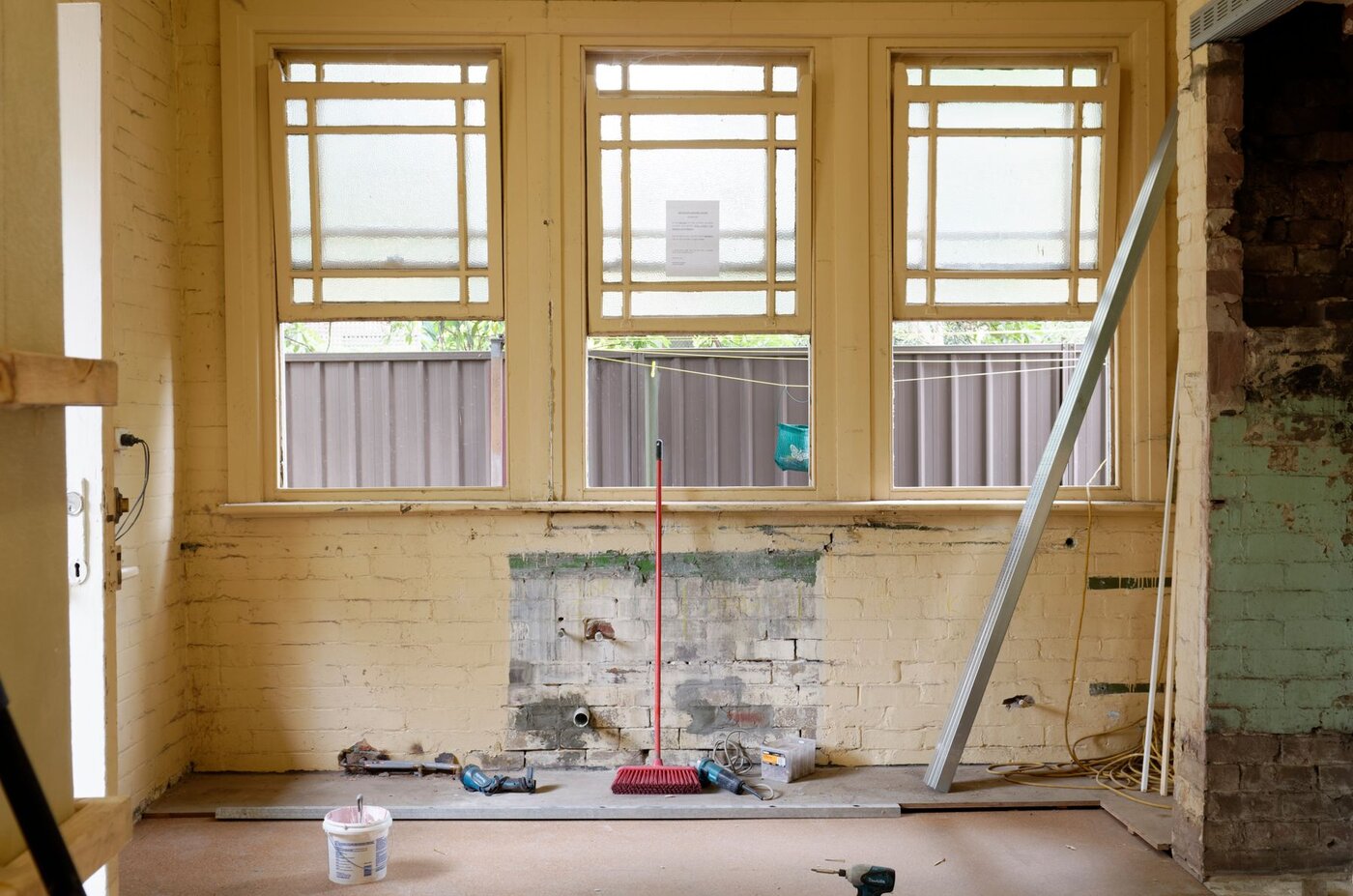
An owner may pause marketing to finish work that would otherwise complicate viewings or distract from the home’s potential. This could involve decorating, repairing a roof, improving presentation or completing a larger refurbishment. A property might also be awaiting photographs, essential paperwork or clearer information about alterations. A pause can therefore be part of sensible preparation rather than an indication that the home cannot be sold.
The important questions are what work is planned, what has been completed and what evidence supports it. Ask about relevant permissions, building control documents and guarantees where appropriate, and have your solicitor and surveyor assess what matters for that property. Fresh decoration does not establish structural condition, and an owner’s account of improvements is not a substitute for independent inspection. If you are considering buying before work is finished, clarify exactly what will be delivered, by whom and on what terms. Budget realistically for outstanding repairs, disruption and contingencies instead of treating an unfinished home as an automatic bargain.
Legal, ownership or occupancy questions need time
Some withdrawals reflect practical issues that need resolving before a sale can progress confidently. An inherited home may require confirmation of the authority to sell; joint owners may need to agree terms; or missing documents may need investigation. Leasehold and managed properties can involve information from several parties. A tenanted home may require careful consideration of the tenancy and access arrangements. None of these circumstances establishes that the property is unsuitable, but each can affect the process and timetable.
Ask for a clear explanation of the issue and what must happen next, rather than requesting confidential details about individuals. Your independent lawyer can assess the seller’s authority, title, rights and obligations using the appropriate documents. If tenants are involved, do not assume a purchase will provide vacant possession or immediate access. Avoid committing money simply because someone says a delay is almost resolved. A credible opportunity should have an identifiable route forward, with uncertainties explained honestly. An agent’s reassurance can help a conversation, but legal conclusions belong with the professionals advising on the transaction.
A sale has fallen through, or an agent has changed
A property can briefly disappear after a transaction falls through while the owner decides what to do next. The cause might be a buyer’s financing, a broken chain, a survey finding or a disagreement about terms. Those possibilities should not be confused: a buyer losing their onward sale says little about the building, while a documented condition issue may require investigation. Ask what information the seller can provide and obtain your own advice before relying on an earlier buyer’s decisions.
Changing agents can also create a gap between advertisements. A listing may leave one website before new particulars are ready elsewhere. There can be contractual questions about introductions and fees, so buyers should be open about earlier viewings and contact rather than trying to bypass them. If a home returns to market, confirm the current asking terms, availability and reason for relaunch. Neither a failed sale nor an agent change guarantees that the seller is under pressure. Stay focused on suitability, verified information and an achievable timetable.
Is an off-market property a better opportunity?
It may be, but the marketing method cannot answer that question alone. A discreet introduction can give you access to a home that fits your brief, while a withdrawn property may not be available at all. Reduced publicity does not necessarily mean reduced competition, and a private seller may expect full market value. Judge location, condition, tenure, total costs and intended use just as carefully as you would for a widely advertised home.
For an overseas purchase, confirm local ownership rules, taxes, deposit arrangements and the point at which commitments become binding. Appoint an independent local lawyer and arrange translations when needed. Do not assume that British listing labels have the same meaning abroad. To develop a practical search without relying on mystery or promises of guaranteed access, read our guide to finding off-market property. A specific buying brief and credible preparation are more useful than pursuing every home described as exclusive.
What should you ask before pursuing the property?
Start with four questions: is the owner currently willing to sell, who is authorised to introduce the property, has an offer already been accepted, and why is public marketing absent or paused? Then establish the asking expectations, viewing process and likely timetable. If a genuine obstacle exists, ask what evidence or action will resolve it. You do not need every private detail of a seller’s life, but you do need enough reliable information to decide whether proceeding is sensible.
The answer to “why would a property be off the market?” is therefore often straightforward: privacy, progress towards a sale, preparation or changed plans. The label alone is neither a warning nor a recommendation. Confirm the situation, respect the owner’s wishes and keep normal due diligence in place. To discuss a considered buying brief and explore the next step, visit off market property and tell us what you are looking for.
This article is for general information only. Seek independent local legal, tax and financial advice for your circumstances.