
A GOOD IDEA ONLY WHEN THE RISKS FIT YOUR POSITION
Buying off-plan can be a good idea if the home suits your long-term needs, the developer and contract withstand scrutiny and you can manage delays or changing finance terms. It is a poor fit if you need a guaranteed moving date, depend on quick resale or cannot absorb an unexpected funding gap.
In an off market property search, off-plan sometimes appears alongside private introductions, but the terms mean different things. Off-plan concerns the stage of construction. Off-market concerns publicity. A new development can be widely advertised while an existing, fully finished house can be offered discreetly.
An off-plan buyer usually commits using plans, specifications and contractual documents before the finished home can be inspected in full. The exact point of commitment depends on the jurisdiction and agreement. A reservation, an exchange of contracts and completion are separate events and should not be treated as interchangeable.
Start with the purpose of the purchase rather than a promotional discount. Do you want to live there, use it occasionally or rent it out? The answer affects your location choice, funding, desired handover date and tolerance for building activity around the home after you receive the keys.
UNDERSTAND THE BENEFITS WITHOUT ASSUMING A PROFIT
An early purchase may provide a choice of plots, floors, orientation or layouts before other homes are reserved. In some projects, buyers can select finishes within a stated range. Those options can matter to everyday life, particularly where an accessible layout or a particular position is difficult to find in existing stock.
A longer lead time can also help a buyer plan a move, organise a sale or arrange a future relocation. New construction may offer modern building systems and less immediate refurbishment than an older property. The actual performance and specification still need checking; new does not mean free of defects.
Early-stage pricing is sometimes presented as an advantage, but it is not a guaranteed discount or an assured capital gain. A developer may change prices, offer incentives on later units or face a weaker market. Compare the package with completed alternatives rather than assuming the first release is necessarily best value.
A purchase should make sense without relying on selling the contract before completion. Assignment may be restricted, require consent or involve costs. Your lender may value the finished home below the agreed price. If the strategy depends on every optimistic forecast being correct, the financial margin is too narrow.
INVESTIGATE THE DEVELOPER AND THE PROJECT
Identify the legal entity selling the property, not just the trading name on a brochure. Ask who owns the land, what permissions exist and which business is responsible for construction. A familiar brand can operate through separate project companies, so obtain advice on the entity that will actually sign your contract.
Visit completed projects where possible and look beyond the show home. Consider common areas, maintenance, finishing and how defects were handled. Speaking to existing owners can raise practical questions, although individual experiences are not a substitute for legal and financial checks on the current development.
Ask how the project is funded and whether sales or construction milestones affect delivery. Your adviser may not be able to obtain every commercial detail, but unexplained gaps should not be dismissed. Understand the difference between a marketing programme, planning permission and evidence that construction is progressing.
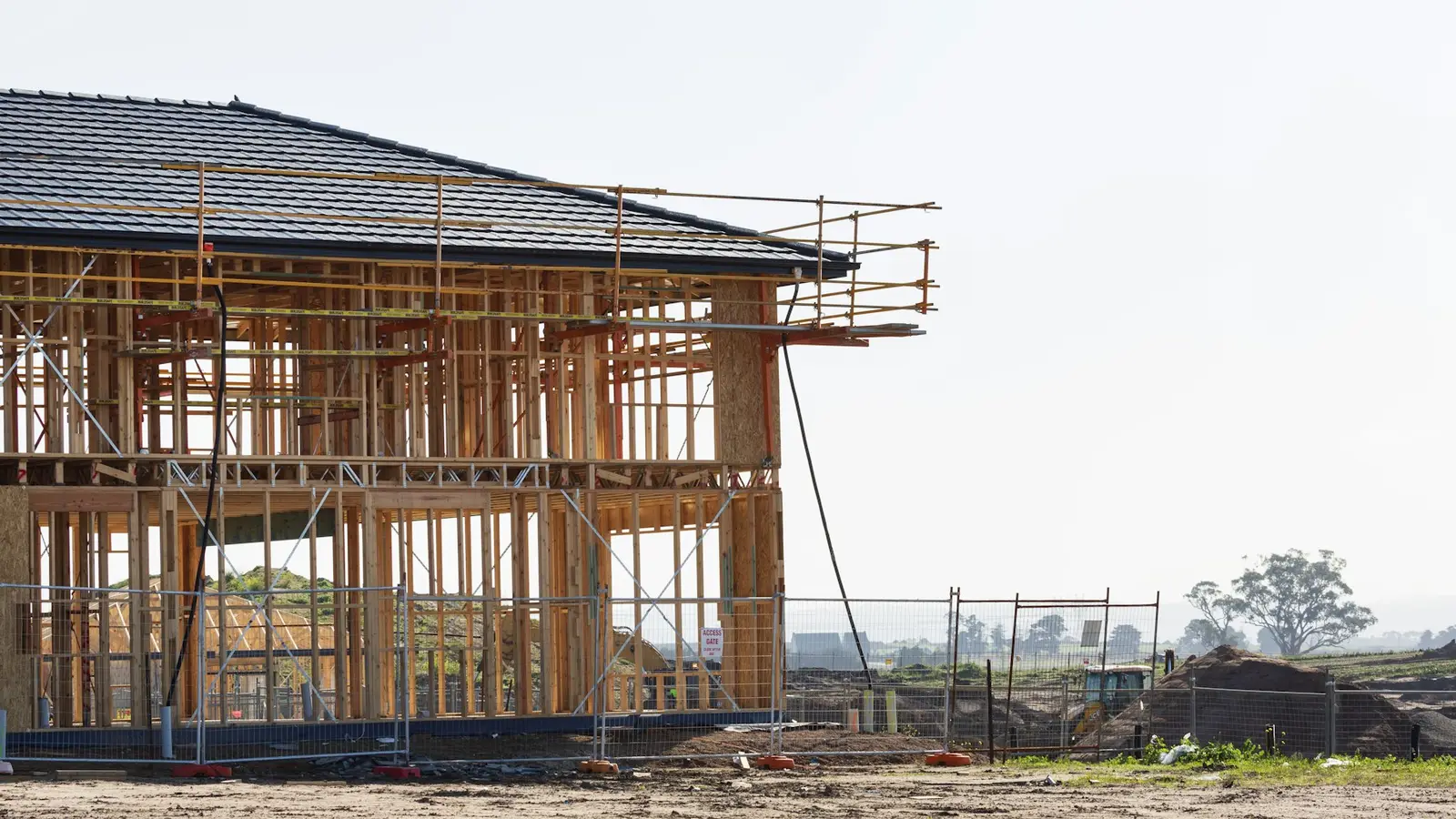
Inspect the surroundings and the wider phase plan. A completed apartment might sit within an active building site for longer than expected. Check intended roads, parking, shared facilities and access arrangements. Where amenities are promised for a later stage, ask what obligation exists to deliver them and when.
READ THE SPECIFICATION AS PART OF THE CONTRACT
A visualisation shows an intention, not necessarily the exact delivered home. Ask which plans and specifications form part of the binding agreement. Review dimensions, room arrangements, storage, parking, balconies, fixtures and shared facilities. Decorative items in a show home may be upgrades or may not be included at all.
Clarify what the developer can change. Contracts may allow substitutions, layout adjustments or variations in area within defined terms. Ask your solicitor to explain those powers and any rights you have if a change affects an essential requirement. A verbal assurance is less useful than a clear written commitment.
Understand the completion mechanism. An estimated build date is not the same as a fixed handover date. Ask about the notice period for completion, the conditions that must be satisfied and whether a long-stop date provides any rights if the development is seriously delayed. The answer depends on the specific contract.
For apartments or managed developments, investigate anticipated service charges, management arrangements and responsibility for shared infrastructure. Estimates can change. Ask what costs you could face before every part of the development is finished, and how future budgets, decisions and major works will be managed.
CHECK DEPOSIT AND STAGE-PAYMENT PROTECTION
Find out where each payment goes, who holds it and what protection applies if the developer fails. A reservation fee, contract deposit and construction-stage payment may be treated differently. Do not assume that the word protected means every pound is recoverable in every circumstance or that all developments use the same arrangements.
For overseas purchases, the FCDO guidance on buying property abroad is a valuable preparation resource. Its off-plan section recommends checking bank guarantees and written obligations to return advance payments in specified situations. Use an independent local lawyer to examine how any protection works for your transaction.
Ask who issues a guarantee or warranty, whether the provider is authorised for the relevant role and what limits, exclusions and claim procedures apply. Read the actual documents. A sales presentation about a scheme is not proof that your plot or your particular payments are covered.
Keep copies of contracts, receipts, payment schedules and agreed changes. Verify receiving-account details independently before transferring money. If someone unexpectedly asks you to send funds to a different account or entity, pause and check using established contact details. Construction complexity should not become an excuse for unclear payment instructions.
STRESS-TEST YOUR FINANCE AND MOVING TIMETABLE
A mortgage decision obtained early in a build may not remain available until completion. Discuss offer validity, extensions and the possibility of a new assessment with an appropriate adviser. Changes in income, interest rates, lending policy or the property's valuation could affect what you can borrow when payment falls due.
Work through a shortfall scenario. If a lender values the home below the purchase price, you may need additional funds, depending on the loan terms. An incentive from the developer may also affect the lender's assessment. Disclose relevant arrangements rather than assuming they will have no effect.
Prepare a delay budget that includes accommodation, storage, travel and any duplicated ownership costs. If you are selling another home, consider what happens if the two transactions no longer align. A flexible moving plan is more realistic than organising an irreversible sequence around an indicative construction date.
For a purchase in another currency, assess exchange-rate exposure across all scheduled payments. A fixed local-currency price can still produce a changing sterling cost. Do not rely on a favourable currency move to make the deal affordable, and seek suitable advice before selecting any financial arrangement.
ASSESS THE FINISHED HOME AS A PLACE TO LIVE
Visit the location independently of a sales event. Check travel routes, shops, noise and neighbouring land uses. A future masterplan can be relevant context, but distinguish facilities already operating from those proposed or dependent on later phases. Decide whether the home works if some promised additions take longer than expected.
Consider orientation, overlooking and the likely use of outdoor space. A plan may show the balcony dimensions without conveying wind, shade or nearby activity. Ask about ventilation, heating, cooling and storage in practical terms. A good layout should support your routine, not merely photograph well.
If letting is part of the plan, investigate lawful use, management costs and realistic local demand. A guaranteed-rent headline needs examination of the guarantor, conditions, duration and what happens afterwards. It is not the same as an independent forecast of sustainable rental income.
Compare with completed homes you could inspect now. The comparison helps reveal whether you are paying for a genuinely better specification, a preferred position or simply attractive marketing. The off market property deals guide explains how to compare the whole cost rather than an isolated discount.
PLAN INSPECTION, SNAGGING AND HANDOVER
Ask when you or a qualified independent inspector can examine the property and what access is permitted before completion. Understand the process for reporting defects, the response expected from the developer and any limits on withholding completion. Do not assume you can refuse to complete for every minor unfinished detail.
A snagging inspection can identify issues that need attention, but its scope should be clear. It does not necessarily replace legal checks, a structural assessment or specialist testing. Discuss the appropriate inspection with someone qualified for the property type and local construction standards.
At handover, obtain the relevant completion documents, instructions, warranties, keys and contact details for defects or emergencies. Ask how building systems are operated and what maintenance is required. Keep an organised record of issues with dates and photographs, and follow the agreed reporting procedure.
Budget for living in a newly completed development. Landscaping may need time to establish, neighbouring plots may remain active and management arrangements may still be settling. These are not automatic reasons to reject a home, but they should be understood before the marketing images become your only reference point.

KNOW WHEN TO STEP BACK
Pause if the developer will not provide core documents, the payment recipient is unclear or you are discouraged from using independent advisers. An urgent deadline does not remove the need to understand the transaction. A genuine opportunity should support sensible questions about ownership, delivery and your contractual commitments.
Other warning signs include an affordability plan based entirely on future price rises, unexplained changes in specification or assurances that finance will definitely be available. Ask for evidence and written clarification. If the unresolved issue affects your ability to complete, do not treat it as a minor administrative detail.
Off-plan may also be unsuitable for perfectly ordinary personal reasons. You may need a fixed school-year move, have little spare capital or prefer to inspect the finished rooms. Choosing a completed home can be the right decision without implying that the development itself is defective.
For an alternative route, compare the best ways to find off-market properties. Private resales and off-plan projects answer different needs. There is no reason to accept construction risk simply because you are also interested in discreetly marketed homes.
MAKE YOUR NEXT ENQUIRY SPECIFIC
Before enquiring, write down your intended use, location, budget, funding position and latest acceptable moving date. Decide which features you need to see in the contract and how much uncertainty you can tolerate. This helps distinguish a project worth investigating from one that conflicts with your circumstances from the outset.
You can enquire about property options that fit your plans and explain whether you prefer completed homes, off-plan opportunities or a comparison of both. Do not send sensitive documents in the opening message. An initial brief should establish the search, not commit you to a developer or a purchase.
If the terms themselves are unclear, off market property meaning explains the distinction between marketing status and construction stage. That clarity prevents an exclusive-sounding description from obscuring the risks you actually need to assess.
Buying off-plan is most defensible when you want the finished home, can withstand a less convenient outcome and have had the contract and protections checked independently. Choice and planning time are potential benefits, not guarantees. Start with off market property if you want to compare your wider buying requirements.
This article is for general information only. Seek independent local legal, tax and financial advice for your circumstances.