Understand what a European off-market search means
An off-market property is generally introduced to selected buyers rather than advertised widely. A local agent might manage a discreet instruction, or an owner might agree to a conversation after a trusted introduction. Some homes are shown privately before a public launch, while others never receive broad advertising. Availability can be tentative: a property absent from a portal may also be withdrawn, already progressing towards a sale or simply not for sale. Establish which situation applies before investing time in a lead.
Europe does not have one shared private-sales register or one uniform buying process. Countries, regions and individual neighbourhoods need different research. The European Union is not the same as Europe, and procedures in a non-EU country should not be assumed to follow those of an EU member. The practical objective is to supplement your search with authorised local introductions. Private access is not evidence of a bargain, a problem-free title or permission to buy. Judge the home and transaction on their merits, alongside suitable publicly advertised alternatives.
Choose a region before choosing a network
Narrow the search to a realistic area and explain why it fits your plans. Compare towns, transport, year-round services and access from your usual home, not only summer photographs. A coastal apartment, rural house and city residence create different questions about maintenance, access and everyday use. Visit outside the most attractive season where possible. Ask how the location functions when tourist demand is lower, and consider whether you would be comfortable managing the property when you are not present.
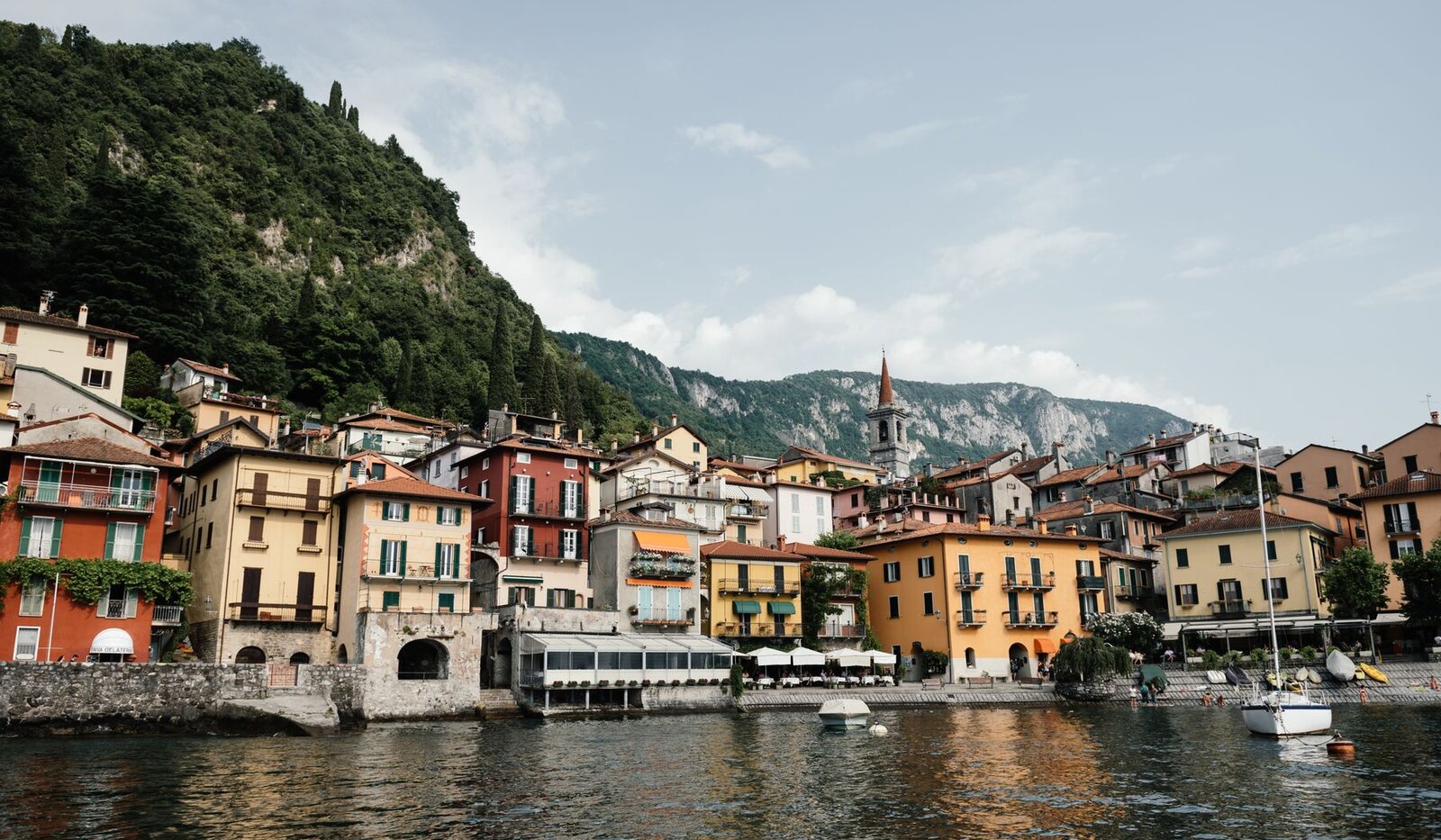
Choose a short list of places before registering with agents. In Spain, for example, a search around a particular coastal municipality needs different local contacts from a city apartment search. Our information on off-market property in Spain offers a starting point for discussing location and property type. Apply the same specificity to a French town, Portuguese neighbourhood or Italian lake district. Keep the brief focused enough that a professional can recognise a match. If you remain undecided between several countries, resolve the main lifestyle and legal questions before expecting precise private introductions.
Prepare a brief that works across languages
Describe the property type, preferred locations, accommodation, outside space, accessibility, budget and willingness to undertake work. Separate essentials from preferences. Explain intended use: occasional visits, a permanent move and a proposed letting arrangement may require different checks. Avoid vague labels such as “investment opportunity” without describing the actual requirement. Include your financing position and preferred timetable honestly. A concise brief is easier to translate accurately and share with the appropriate local office than a long collection of loosely connected preferences.
Give the budget in the relevant currency and identify whether it is a purchase-price limit or an all-in allowance. Europe does not use a single currency everywhere; exchange-rate movements can also change the cost in your home currency. Leave space for local taxes, professional fees, travel, translation and repairs. Have important requirements translated by someone competent if needed. Confirm the meaning of accommodation terms, floor areas and included land rather than assume familiar wording is equivalent. Ask the recipient to summarise your essentials back to you before commissioning a wider search.
Build relationships with agents active in that locality
Identify established agents handling the relevant area and price range, including suitable local firms and international offices with genuine local coverage. Ask whether they manage private instructions, introduce buyers before launch or speak with owners considering a sale. Check the business identity and any registration or professional requirements applicable there. Familiar branding alone does not prove that a representative is authorised to offer a particular home. Ask which office or individual is responsible for the instruction and how viewings are arranged.
Send the brief and ask for a sensible contact arrangement. A useful message explains what you want, your funding position and when you can visit. Follow up with meaningful changes rather than repeated requests for anything hidden. Explain why an introduction is unsuitable, so the next one can be better matched. Several agents may circulate the same property, so track addresses and representatives to avoid confusion. Establish whom the agent represents and how fees operate; do not assume every European agency relationship follows the arrangement you know from the UK.
Consider buying support with verified local expertise
A buying adviser may help when you are remote, have limited time or need a highly specific property. Assess experience in the actual locality, language capability and the proposed search method. Ask how they verify private availability and whether they preview homes before recommending travel. An international network can be useful, but a claim of access across Europe should not replace evidence of local knowledge. No adviser can guarantee that every owner willing to sell will appear in their search.
Obtain written terms covering scope, reporting, retainers, success fees, taxes, exclusivity and termination. Clarify whether payments from selling agents or other parties create potential conflicts, and what happens if you find a home independently. Our international property search services provide a starting point for discussing a considered brief and introductions. Keep the search role distinct from independent legal and technical advice. Ask who is responsible for each stage and what is excluded. The service should make your decisions better informed, not simply give an unusual address the label of an exclusive opportunity.
Use local introductions without intruding on owners
A relocation specialist, architect, property manager or community contact may know an owner considering a move. Ask whether they would pass your brief on with permission. This allows the owner to decide whether to respond and avoids requests for confidential client information. Explain your genuine buying requirements, not a promise to purchase anything available. If an introduction carries a fee, establish the terms before proceeding. A personal connection may begin a conversation, but it does not verify title or the person's authority to sell.
Direct approaches can be appropriate when a small area fits a specific need, but keep them considerate and compatible with local rules. A short letter should identify you as a prospective buyer, give a contact method and leave the choice with the recipient. Do not infer that an apparently quiet or closed home is vacant, distressed or for sale. Respect refusals and silence, and do not enter property without permission. Where an agent is already instructed, contacting that representative can be the clearest route. Genuine introductions depend on trust, not persistent pressure.

Use official records to clarify, not manufacture, leads
Once a credible property is identified, ask your local adviser which official records establish ownership, registered rights, charges and the property's description. Access rules and the information available differ between countries. A land register, cadastral record and tax record may serve different purposes; one should not automatically be treated as a substitute for another. An online map is not proof that a building is lawful or that every boundary and right of access is settled.
Spain's government guidance, for example, recommends checking the land-registry extract, or nota simple, alongside other relevant documentation and planning enquiries. That illustrates why a private introduction needs an independent verification process. It does not provide a list of willing sellers. France, Portugal, Italy and other destinations require their own appropriate enquiries; do not transfer the Spanish checklist unchanged. Ask your adviser to explain discrepancies and any further records needed. Use personal information responsibly and avoid assuming registered ownership means an invitation to contact someone repeatedly.
Research the area and compare openly marketed homes
Keep local public listings in your search. They help compare location, accommodation and asking expectations, even when your preferred lead is private. Compare similar homes rather than use a national average to judge a particular street or rural plot. Treat achieved-sale information according to its date and local coverage, and ask for valuation support where evidence is limited. An owner may seek a premium for a distinctive home; limited advertising does not establish that the asking price is below market value.
Look beyond price at services, maintenance, environmental risks and planned development. A holiday visit may not reveal winter flooding, seasonal water constraints or how a building performs in heat. Ask local professionals which enquiries are appropriate and what they can establish. Proposed works, rental use and changes to access may require permissions separate from buying the property. Keep questions tied to your intended use, and obtain answers in writing where material. Research should test whether the property works for you, not merely justify a decision made from an appealing private brochure.
Arrange visits around verified opportunities
Before booking travel, confirm the address, authorised representative, current availability and expected price range. Request available particulars, plans and a clear account of anything still outstanding. Ask whether another offer is progressing and whether occupation affects access or timing. If a fee or reservation agreement is proposed before viewing, obtain independent advice on its purpose and consequences. A private seller may control distribution of photographs, but essential questions still need a route to proper answers.
Plan enough time to assess the neighbourhood as well as the building. A video viewing can screen a lead but cannot replace every aspect of an in-person assessment or professional inspection. Note what needs technical investigation and arrange further access by agreement. Distinguish a condition report from mandatory diagnostics, a lender's valuation or a marketing statement. The French government's guidance, for instance, cautions that diagnostic information is not equivalent to a full survey as a UK buyer might expect. Confirm what any report actually covers before relying on it.

Understand commitments before signing or paying
Engage an independent professional qualified for the country and experienced in local property transactions. A notary's role varies by jurisdiction; do not assume it is identical to having a lawyer representing your interests alone. Ask when an offer, preliminary agreement, reservation or payment becomes binding, and what conditions protect your position. Where language is a barrier, use appropriate independent translation. A familiar English-language summary does not replace understanding the actual contract and the documents it incorporates.
The UK government's guidance for buying property abroad is a useful foundation: it recommends independent legal advice, understanding local laws and checking ownership and associated obligations. Confirm current country-specific requirements with your adviser, including eligibility, finance, tax and any intended rental activity. Ownership should not be assumed to provide a visa or residence right. Verify payment instructions through trusted channels before transferring funds. Also distinguish off-market from off-plan: private marketing and buying a home before construction is finished describe different issues and require different risk assessments.
Keep a focused search routine across borders
Record each lead's source, address, date, availability, price expectation, fit and next action. Mark what is confirmed and what still needs evidence. Keep correspondence organised by property and avoid collecting unnecessary personal information. Review whether your contacts are producing relevant introductions, whether the brief is understood and whether the budget remains realistic after total costs. If the search is too broad, narrow the area or clarify an essential requirement rather than simply adding more agents across more countries.
Finding a European off-market home is usually a matter of local knowledge, credible communication and consistent follow-through. Keep advertised alternatives available, respect confidentiality and avoid commitments until the property and process are understood. Your route may begin privately, but the outcome still needs sound legal, financial and practical foundations. To discuss a location-led brief and potential introductions, explore off market property. The aim is not to buy something because it is hidden; it is to find a suitable home on terms you understand, in a place that works for your plans.
This article is for general information only. Seek independent local legal, tax and financial advice for your circumstances.